Why Radon Mitigation St Louis Homeowners Should Act Now
Radon is a radioactive gas that comes from the natural decay of uranium in soil. It moves up through the ground and into buildings through foundation cracks, sump pump openings, and other gaps. The EPA has identified St. Louis as an area with elevated radon potential, which means many homes in the region likely have radon levels above the recommended action level of 4 picocuries per liter. I have spent years working with homeowners here, and I have seen how easy it is to ignore the problem until a test shows a number you cannot forget.
When a family first calls me about a high radon reading, they often feel overwhelmed. They wonder if the problem is serious, how much it will cost, and whether the fix will be disruptive. Those are fair questions. The good news is that radon mitigation St Louis professionals have developed reliable methods to bring radon levels down quickly. The bad news is that delaying the work only puts your household at greater risk. Lung cancer from long-term radon exposure is preventable, and the steps to reduce radon are straightforward once you understand them.
Understanding the Risk and the Testing Process
Radon does not have a smell, a color, or a taste, so you cannot detect it without a radon detector. Short-term tests, which last 2 to 7 days, give you a snapshot. Long-term tests, which run for 90 days or more, give you a more accurate average. I always recommend starting with a short-term test from a hardware store or a continuous radon monitor that you can buy online. If the result is 4 pCi/L or higher, the EPA says you should fix your home. If it is between 2 and 4 pCi/L, you should consider doing something about it, especially if you have children or spend a lot of time at home.
Radon testing is the only way to know what you are dealing with. I have been in basements where the initial reading was over 20 pCi/L and the homeowner had no idea. Once you have that number, you need a plan. That is where radon mitigation St Louis comes into the picture.
How a Radon Mitigation System Works
The most common method for reducing radon is sub-slab depressurization. This technique involves drilling a small hole through the concrete floor of your basement or slab, digging out a small pit underneath, and running a vent pipe from that pit up through the roof. A radon fan, usually installed in the attic or outside the house, creates suction that pulls radon-laden air from beneath the slab and exhausts it safely above the roofline. This is often called soil suction, and it works because it reverses the pressure difference that normally pulls radon into your home.
If your home has a crawlspace instead of a full basement, crawlspace mitigation works differently. We lay a heavy-duty vapor barrier over the dirt floor, seal the edges to the walls, and vent the space under the barrier with a radon fan. This method prevents radon from entering the living area through the crawlspace. Either way, the goal is the same: keep radon levels as low as possible.
Key Components of a Good System
- A radon fan, such as those made by RadonAway, that runs continuously and quietly.
- A vent pipe that carries radon gas from beneath the slab to the outside.
- A manometer, which is a U-tube gauge that shows the fan is working and alerts you if it stops.
- Sealing of foundation cracks and other openings to reduce the pathways radon uses to enter.
- A sump pump cover that is sealed tight if you have a sump pit in the basement.
I have installed systems using RadonAway fans for years because they are reliable and easy to maintain. The manometer is especially important because it gives you a visual check every time you walk past it. If the fluid levels are even, the fan is not pulling properly and you need to call a professional.
Post-Installation Verification: The Final Check
After the radon mitigation system is installed, the work is not over. Every responsible installer will perform post-installation verification, which means running another radon test to confirm the levels have dropped. This is often a short-term test that you send to a lab for analysis. I have seen systems that brought radon from 15 pCi/L down to 1.2 pCi/L, which is a huge improvement. Without that verification test, you are just guessing whether the system is working.
Some homeowners ask if they can skip the verification to save a few dollars. I always advise against that. A system that is not working properly can give you a false sense of security. You want proof that the radon levels are low, not just hope. The cost of a verification test is small compared to the peace of mind it provides.
Why You Should Hire a Professional
Radon mitigation is not a simple DIY project. It involves electrical work, roof penetration, and careful sealing to avoid creating other problems like moisture issues or backdrafting of combustion appliances. A professional knows how to avoid these pitfalls. When you look for radon mitigation St Louis, you want someone who understands local soil conditions, building codes, and the specific challenges of older homes in the area.
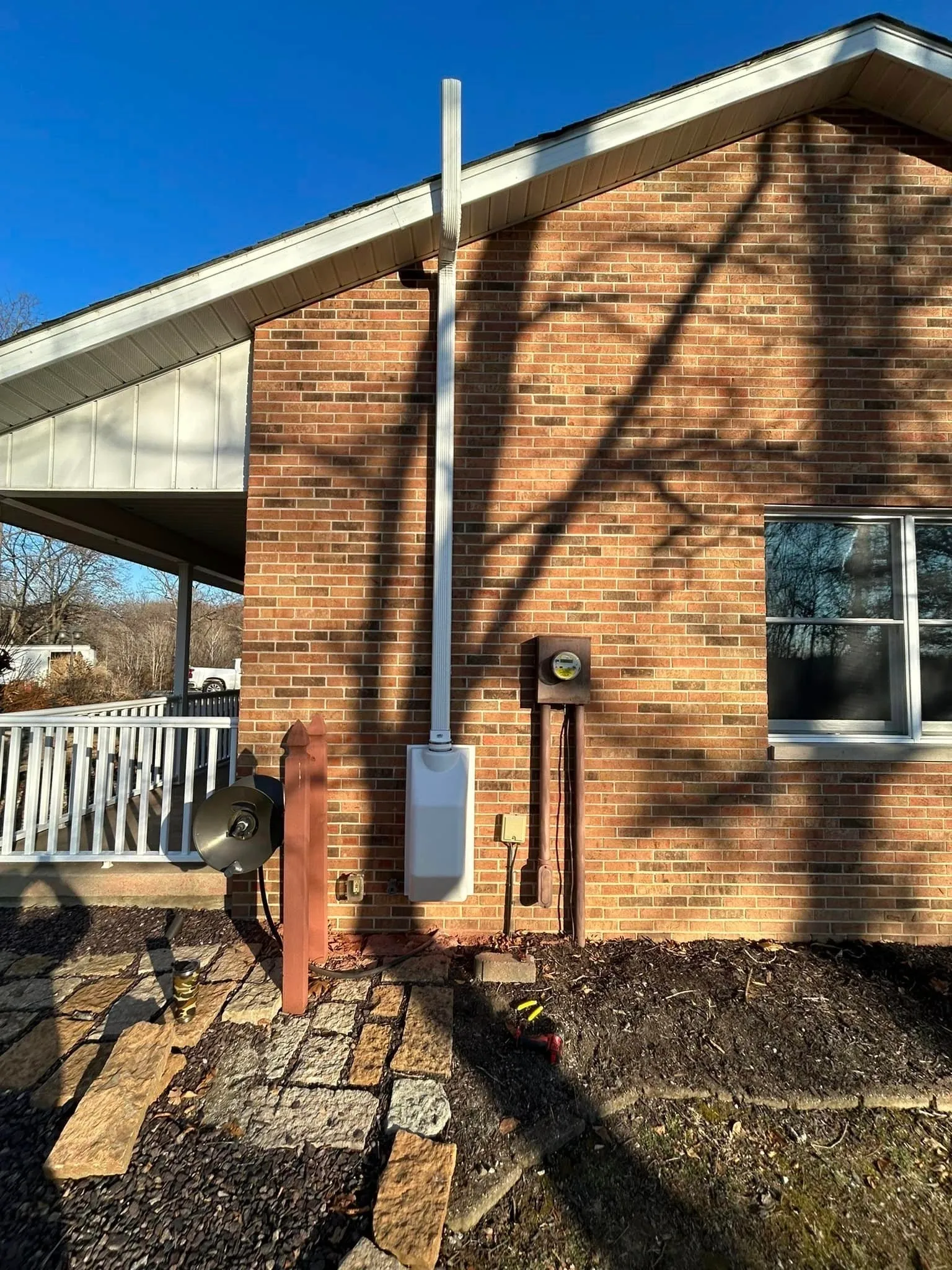
Air Sense Environmental is one company that focuses on this work in the St. Louis area. They handle the entire process, from radon testing to system installation to post-installation verification. They use quality components like RadonAway fans and RadonSeal products for sealing cracks and joints. RadonSeal is a waterproof coating that can be applied to bare concrete to block radon and moisture at the same time. It is especially useful in basements with exposed block walls or poured concrete floors.
I have also seen cases where homeowners tried to do the job themselves and ended up with a system that did not reduce radon at all. The fan was undersized, the vent pipe was not run high enough, or the sealing was incomplete. A professional knows how to size the fan, where to place the suction point, and how to test the system afterward. It is worth paying for that expertise.
Maintaining Your System Over Time
Once your radon mitigation system is installed and verified, it requires very little maintenance. The fan should run 24/7. Check the manometer every month to make sure it is showing suction. If the fluid levels ever equalize, the fan may have stopped or the vent pipe may be blocked. You should also inspect the vent pipe for damage after storms or if you have work done on the roof.
Every few years, you may want to test again with a continuous radon monitor or a short-term detector just to confirm the levels are still low. Radon levels can change over time due to soil settling, new construction nearby, or changes in your home's heating and cooling system. A test every two years is a good habit.
When to Call for Help
- If the manometer shows no suction.
- If you hear the fan making a strange noise or it stops running.
- If you have a radon test result above 4 pCi/L after the system was installed.
- If you notice new foundation cracks or water seepage near the vent pipe.
- If you are buying or selling a home and need a current radon test and system inspection.
I have been in this field long enough to know that radon mitigation is not something you think about every day. But the consequences of ignoring it are serious. The EPA estimates that radon causes thousands of lung cancer deaths each year in the United States. It is the second leading cause of lung cancer after smoking. For non-smokers, it is the number one cause.
If you live in St. Louis and have not tested your home for radon, I strongly encourage you to do it this week. The test is inexpensive and easy. If the result is high, call a professional. radon mitigation St Louis has experienced companies that can help you. Do not wait until someone in your family gets sick. The fix is straightforward, and the peace of mind is priceless.